发布:2026-08-01 浏览:0
苗木评估是园林工程招标、苗木交易定价、资产价值核算等活动的核心环节,其结果的准确性直接影响各方利益。然而,实际评估中常因专业不足、操作不规范、信息滞后等问题导致结果失真,引发纠纷或决策失误。本文结合实践经验,探讨如何规避常见错误,提升评估质量。
Nursery evaluation is the core process of landscape engineering bidding, seedling trading pricing, asset value accounting, and other activities. The accuracy of its results directly affects the interests of all parties involved. However, in actual evaluations, issues such as lack of expertise, non-standard operations, and outdated information often lead to distorted results, resulting in disputes or decision-making errors. This article combines practical experience to explore how to avoid common errors and improve evaluation quality.
一、准确识别品种,避免混淆
1、 Accurately identify varieties and avoid confusion
品种是苗木价值的核心决定因素,不同品种价格差异显著。常见错误包括相似品种混淆、误认变种。解决措施:
Variety is the core determining factor of seedling value, and there is a significant price difference among different varieties. Common errors include confusion of similar varieties and misidentification of variants. Solution:
强化知识储备:系统学习苗木形态特征,关注叶片形状、花色、树皮纹理等关键区别点;
Strengthen knowledge reserve: Systematically learn the morphological characteristics of seedlings, focusing on key distinguishing points such as leaf shape, color, bark texture, etc;
专家复核:对疑难品种,邀请林业科研机构或园艺师鉴定,确保品种准确。
Expert review: For difficult varieties, invite forestry research institutions or horticulturists to identify and ensure the accuracy of the varieties.

二、规范规格测量,减少数据误差
2、 Standardize specification measurement to reduce data errors
苗木规格是评估基础参数,测量不规范会直接影响价值。常见错误:胸径未在离地1.3米处测量、冠幅取单一方向、高度忽略垂直距离。解决措施:
The specifications of seedlings are the basic parameters for evaluation, and non-standard measurements can directly affect their value. Common errors: Diameter at breast height not measured at 1.3 meters above the ground, crown width taken in a single direction, height ignored vertical distance. Solution:
遵循行业标准:严格执行《城市绿化和园林绿地用植物材料—木本苗》,明确各规格测量方法;
Adhere to industry standards: strictly implement the "Plant Materials for Urban Greening and Garden Green Space - Woody Seedlings" and clarify the measurement methods for each specification;
使用标准工具:胸径用钢卷尺/胸径尺,高度用测高仪,冠幅测量东西、南北方向取平均值;
Use standard tools: steel tape/caliper for breast height, height gauge for height, crown width measurement for east-west and north-south directions, take the average value;
双人复核:两人分别操作,核对数据一致性,避免人为误差。
Double check: Two people operate separately to verify data consistency and avoid human error.
苗木评估
Nursery evaluation
三、评估生长状况,避免表面判断
3、 Assess growth status and avoid surface judgments
苗木健康状况影响成活率和后期价值,常见错误是仅看外观忽略内在问题。解决措施:
The health status of seedlings affects survival rate and later value, and a common mistake is to only focus on appearance and ignore internal issues. Solution:
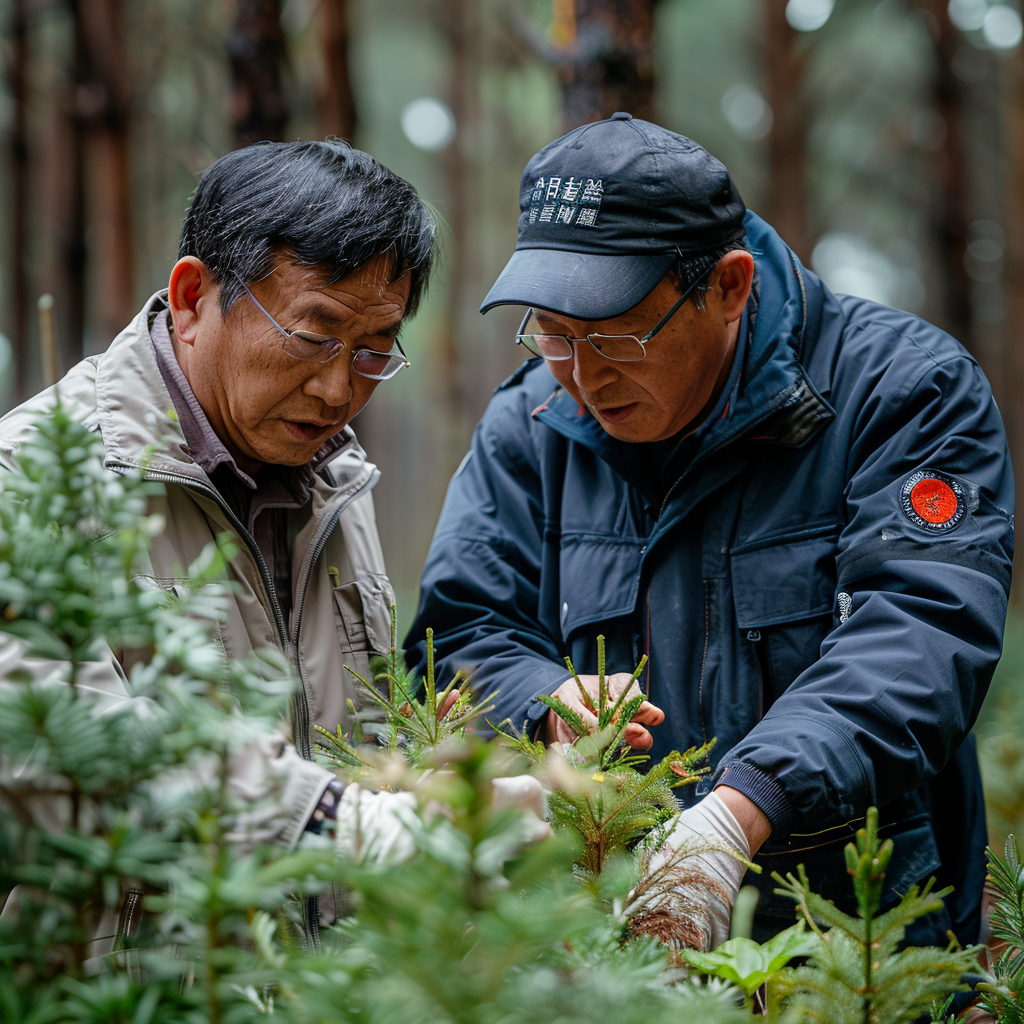
多维度检查:观察叶片、枝干、根系;
Multi dimensional inspection: observe leaves, branches, and roots;
环境分析:了解土壤质地、排水条件、光照,判断苗木适应性;
Environmental analysis: Understand soil texture, drainage conditions, and lighting to determine the adaptability of seedlings;
追溯养护历史:询问移栽次数、施肥记录、病虫害防治情况,评估稳定性。
Tracing maintenance history: Inquire about transplanting frequency, fertilization records, pest control situation, and evaluate stability.
四、实时更新市场价格,避免信息滞后
4、 Real time updating of market prices to avoid information lag
苗木价格受季节、供需、地域影响大,常见错误是依赖过时数据。解决措施:
The price of seedlings is greatly affected by season, supply and demand, and region, and a common mistake is relying on outdated data. Solution:
动态价格库:定期收集当地苗圃、线上平台的实时报价;
Dynamic Price Library: Regularly collect real-time quotes from local nurseries and online platforms;
行业动态跟踪:参加苗木展会、论坛,与经纪人沟通,掌握供需趋势;
Industry dynamics tracking: Participate in seedling exhibitions and forums, communicate with brokers, and grasp supply and demand trends;
地域差异调整:同一品种在南北地区价格差异明显,需结合评估地点修正。
Regional difference adjustment: The price difference of the same variety in the north and south regions is significant, and it needs to be adjusted based on the evaluation location.
五、合理选择评估方法,避免误用
5、 Reasonably choose evaluation methods to avoid misuse
不同苗木适用不同方法,常见错误是方法选择不当。解决措施:
Different seedlings are suitable for different methods, and a common mistake is improper method selection. Solution:
市场法:适用于交易频繁的普通苗木,对比近期同类交易价格调整;
Market approach: applicable to frequently traded ordinary seedlings, with price adjustments compared to recent similar transactions;
成本法:适用于培育周期长的苗木,计算培育成本加合理利润;
Cost method: suitable for cultivating seedlings with long cultivation cycles, calculate the cultivation cost plus reasonable profit;
收益法:适用于持续收益苗木,预测未来收益折现;
Income approach: applicable to seedlings with sustained income, predicting future income through discounting;
交叉验证:重要苗木用两种以上方法评估,取合理区间值。
Cross validation: Important seedlings are evaluated using two or more methods and a reasonable interval value is taken.