发布:2026-07-29 浏览:0
在林业经济管理和自然资源资产核算实践中,森林资源资产评估、林木资产价格评估与林业资产价格评估是三个既相互联系又各有侧重的专业领域。厘清三者之间的逻辑关系,把握各自的适用范围与技术特征,对于构建科学完善的林业资产价值管理体系具有重要的理论和实践意义。
In the practice of forestry economic management and natural resource asset accounting, forest resource asset evaluation, forest asset price evaluation, and forestry asset price evaluation are three interrelated and specialized fields with different focuses. Clarifying the logical relationship between the three, grasping their respective scope of application and technical characteristics, has important theoretical and practical significance for building a scientifically sound forestry asset value management system.
三者的概念界定与逻辑层次
Definition and logical hierarchy of the three concepts
从概念内涵来看,三者呈现出从“窄”到“宽”的层次递进关系。林木资产价格评估聚焦于非常为核心的评估对象——林木本身,即对特定主体拥有或控制的用材林、经济林、薪炭林、防护林和特种用途林等各类林木的经济价值进行计量。它关注的是活立木作为生物性资产的价值,评估方法围绕林木的生物学特征和木材产品的经济价值展开。
From the perspective of conceptual connotation, the three exhibit a hierarchical progressive relationship from "narrow" to "wide". The evaluation of forest asset prices focuses on the most core evaluation object - the forest itself, which measures the economic value of various types of forests owned or controlled by specific entities, such as timber forests, economic forests, firewood forests, protective forests, and special-purpose forests. It focuses on the value of living trees as biological assets, and the evaluation method revolves around the biological characteristics of trees and the economic value of wood products.
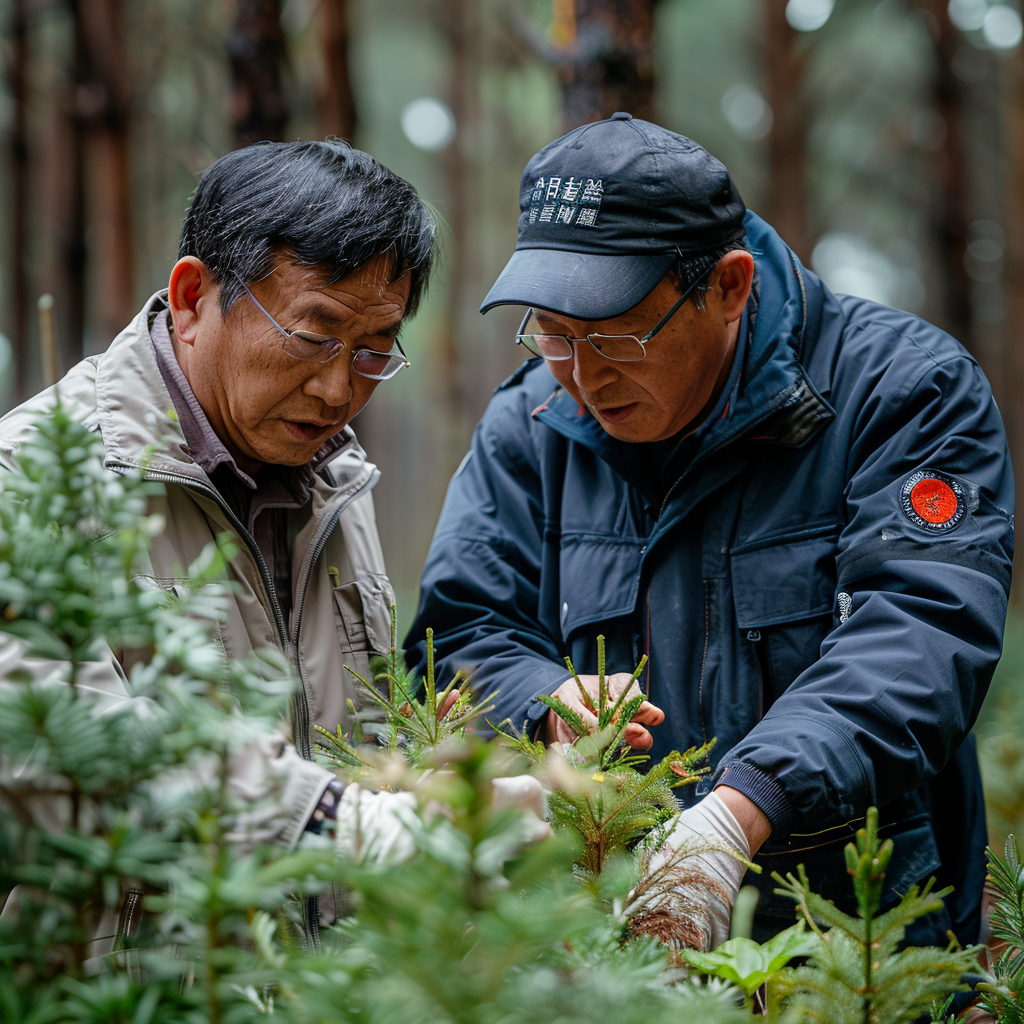
森林资源资产评估则在林木资产的基础上进一步拓展,其评估范围不仅包括林木,还包括林地、森林景观以及与森林资源相关的其他资产。它更加强调森林生态系统的整体性价值,除了经济价值外,还涉及水源涵养、水土保持、固碳释氧等生态服务功能的核算。2025年发布的《森林资源价值核算和资产评估技术规范》(LY/T 2407-2025)便体现了这一综合视角,既规定了经济资产评估,也涵盖了生态系统服务核算。
The evaluation of forest resource assets further expands on the basis of forest assets, including not only trees but also forest land, forest landscapes, and other assets related to forest resources. It emphasizes the overall value of forest ecosystems, in addition to economic value, it also involves the accounting of ecological service functions such as water conservation, soil and water conservation, carbon sequestration and oxygen release. The "Technical Specification for Forest Resource Value Accounting and Asset Evaluation" (LY/T 2407-2025) released in 2025 reflects this comprehensive perspective, which not only stipulates economic asset evaluation but also covers ecosystem service accounting.
林业资产价格评估的概念非常为宽泛,它覆盖了林业产业链上的各类经营性资产和资源性资产。除了森林资源资产和林木资产外,还包括林业基础设施(林区道路、防火设施)、林业机械设备、林业知识产权(植物新品种权、技术专利)、林业碳汇资产以及林下经济资源等。可以说,林业资产评估是前两者的上位概念,体现了从资源管理向资产管理和资本运营的跃升。
The concept of forestry asset price evaluation is the broadest, covering various types of operational and resource-based assets in the forestry industry chain. In addition to forest resource assets and timber assets, it also includes forestry infrastructure (forest roads, fire prevention facilities), forestry machinery and equipment, forestry intellectual property (new plant variety rights, technology patents), forestry carbon sink assets, and understory economic resources. It can be said that forestry asset evaluation is a higher-level concept of the first two, reflecting the leap from resource management to asset management and capital operation.
三者在评估实践中的协同应用
The collaborative application of the three in evaluation practice
在具体的评估实务中,三者并非彼此割裂,而是相互支撑、协同发力。以国有林场改革中的资产评估为例,评估机构首先需要运用林木资产评估的方法对林场经营范围内的各类林木进行分龄组、分树种的量化估值;在此基础上,通过森林资源资产评估的技术路径将林地使用权价值、森林景观价值和生态服务价值纳入整体核算;非常后,从林业资产的全局视角出发,将林场的厂房设备、运输工具、信息系统等经营性资产一并整合,形成完整的法人资产价值报告。这种分层递进、系统集成的评估思路,既保证了各个资产类别估值的专业性,又实现了整体资产价值的多维度反映。
In practical evaluation, the three are not separated from each other, but support and work together. Taking the asset evaluation in the reform of state-owned forest farms as an example, evaluation institutions first need to use the method of forest asset evaluation to quantitatively value various types of trees within the scope of forest farm management by age group and tree species; On this basis, the value of forest land use rights, forest landscape value, and ecological service value are included in the overall accounting through the technical path of forest resource asset assessment; Finally, from a global perspective of forestry assets, the operational assets such as factory equipment, transportation vehicles, and information systems of the forest farm are integrated together to form a complete report on the value of corporate assets. This hierarchical, progressive, and system integrated evaluation approach ensures the professionalism of valuation for each asset category while achieving a comprehensive reflection of the overall asset value.
在林业碳汇交易这一新兴领域,三者的协同尤为明显。碳汇资产本质上是森林生态系统服务功能的经济化表达,其价值评估需要依托森林资源资产评估中的生态核算方法;而碳汇交易的实际操作中,又需要将碳汇价值分配到具体的林木和林地上,这就离不开林木资产和林地资产的精细化评估。三明市在开展林业碳票交易时,便是综合运用了森林资源清查数据、林木生长模型和碳汇计量方法,实现了生态价值向经济价值的有效转化。
In the emerging field of forestry carbon trading, the synergy among the three is particularly evident. Carbon sink assets are essentially the economic expression of forest ecosystem services, and their value assessment needs to rely on ecological accounting methods in forest resource asset assessment; In the actual operation of carbon sequestration trading, it is necessary to allocate the value of carbon sequestration to specific trees and forests, which cannot be separated from the refined evaluation of forest and forest assets. When Sanming City carried out forestry carbon ticket trading, it comprehensively utilized forest resource inventory data, forest growth models, and carbon sink measurement methods to effectively transform ecological value into economic value.