发布:2026-05-22 浏览:0
在林木资产评估的实务操作中,选择科学合理的评估方法是确保结果准确的关键。根据现行的行业规范与技术标准,林木资产评估主要采用市场法、收益法和重置成本法三大类,其中非常具代表性的具体方法包括木材市场价倒算法、收获现值法以及重置成本法。
In the practical operation of forest asset evaluation, choosing a scientific and reasonable evaluation method is the key to ensuring accurate results. According to current industry norms and technical standards, the evaluation of forest assets mainly adopts three categories: market method, income method, and reset cost method. The most representative specific methods include the wood market price inversion algorithm, the present value of harvest method, and the reset cost method.
木材市场价倒算法(又称剩余价值法)是成熟林和过熟林评估中非常常用、也非常容易被市场接受的方法。其核心逻辑非常直观:用林木皆伐后所得木材的市场销售总收入,扣除木材生产经营过程中消耗的成本(如采伐、运输、销售费用及相关税费)以及合理的投资利润,剩余的價值即为林木资产的评估值。这种方法贴近市场实际,计算相对简单,非常适用于那些可以立即采伐或在近期内采伐的林木资产。

The residual value method, also known as the timber market price inversion algorithm, is the most commonly used and easily accepted method for evaluating mature and overripe forests in the market. The core logic is very intuitive: using the total market sales revenue of timber obtained after logging, deducting the costs consumed in the production and operation process of timber (such as logging, transportation, sales expenses and related taxes) and reasonable investment profits, the remaining value is the assessed value of timber assets. This method is close to market reality, with relatively simple calculations, and is particularly suitable for forest assets that can be harvested immediately or in the near future.
对于中龄林或近熟林,由于林木尚未成熟,不能立即变现,通常采用收获现值法。这种方法着眼于未来,通过预测林分在主伐时的净收益,将其折现到评估基准日,再扣除评估后到主伐期间所需的营林管护成本,从而得出当前的林木价值。它充分考虑了资金的时间价值和林木的生长规律,是连接当前投入与未来产出的重要桥梁。
For middle-aged or near mature forests, the present value of harvest method is usually used because the trees are not yet mature and cannot be immediately realized. This method focuses on the future by predicting the net income of the forest stand during the main cutting, discounting it to the evaluation reference date, and then deducting the forest management and maintenance costs required from the evaluation to the main cutting period, in order to obtain the current value of the forest. It fully considers the time value of funds and the growth laws of trees, and is an important bridge connecting current inputs and future outputs.
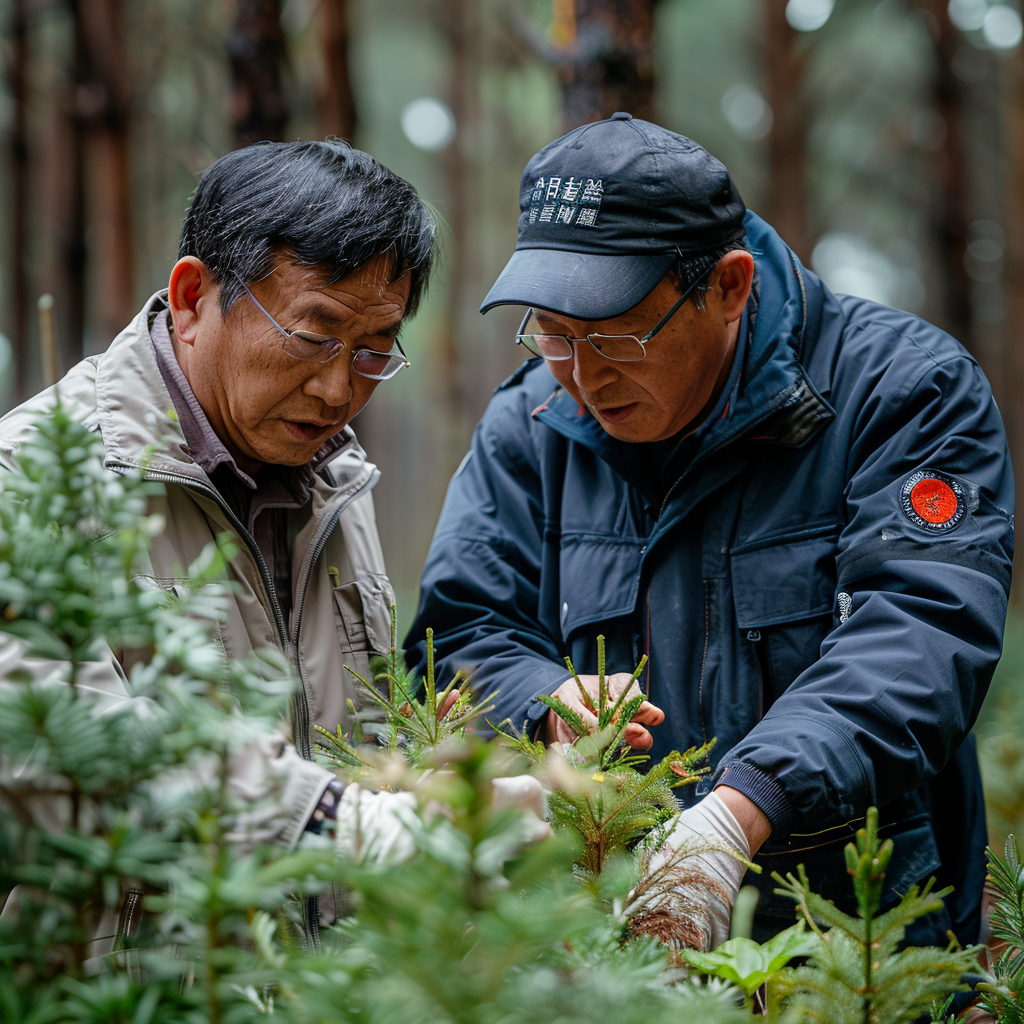
而对于幼龄林,由于其尚未形成有效的木材蓄积,未来的收益具有较大的不确定性,此时重置成本法往往更为适用。该方法以现时的工价和生产水平为标准,核算培育该片林木所投入的各项营林生产成本(如整地、造林、抚育等),并加上合理的投资利润来确定资产价值。这种方法侧重于“投入”视角,为尚未产生经济效益的幼林提供了客观的价值依据。在实际评估中,评估师往往需要根据林龄、评估目的及资料的可获取性,灵活选择或综合运用这些方法。
For young forests, as they have not yet formed effective timber accumulation, their future returns are highly uncertain, and the reset cost method is often more applicable. This method calculates the various forest production costs (such as land preparation, afforestation, nurturing, etc.) invested in cultivating the forest using current labor prices and production levels as standards, and adds reasonable investment profits to determine the asset value. This method focuses on the "input" perspective, providing objective value basis for young forests that have not yet generated economic benefits. In practical assessments, assessors often need to flexibly choose or comprehensively apply these methods based on the age of the forest, the purpose of the assessment, and the availability of data.