发布:2026-07-06 浏览:0
森林资源资产评估,是指资产评估机构及其资产评估专业人员遵守法律、行政法规和资产评估准则,根据委托对评估基准日特定目的下的森林资源资产价值进行评定和估算,并出具资产评估报告的专业服务行为。森林资源资产评估由森林资源资产评估机构或具有资质的林业调查规划设计单位依据相关法律、法规和资产评估准则,在评估基准日,对特定目的和条件下的森林资源资产价值进行分析、估算,并出具评估报告。
Forest resource asset assessment refers to the professional service behavior of asset assessment institutions and their asset assessment professionals to comply with laws, administrative regulations, and asset assessment standards, evaluate and estimate the value of forest resource assets under specific purposes on the assessment benchmark date, and issue asset assessment reports based on commission. Forest resource asset assessment is conducted by forest resource asset assessment institutions or qualified forestry survey planning and design units based on relevant laws, regulations, and asset assessment criteria. On the assessment reference date, the value of forest resource assets under specific purposes and conditions is analyzed and estimated, and an assessment report is issued.
森林资源资产涵盖范围广泛,主要包括林地资产、林木资产和森林景观资产等。随着集体林权制度改革的深入推进和生态文明建设的多维度展开,森林资源资产评估的需求日益增长,其应用场景涵盖森林资源资产转让、出售、企业兼并、股份经营、中外合资合作、企业清算、担保、租赁、债务重组以及林权交易、抵押融资等多种经济行为。

Forest resource assets cover a wide range, mainly including forest land assets, timber assets, and forest landscape assets. With the deepening of the reform of the collective forest tenure system and the comprehensive development of ecological civilization construction, the demand for forest resource asset assessment is increasing day by day. Its application scenarios include forest resource asset transfer, sale, enterprise merger, stock operation, Sino foreign joint venture cooperation, enterprise liquidation, guarantee, leasing, debt restructuring, as well as various economic behaviors such as forest tenure trading and mortgage financing.
森林资源资产评估应当遵守独立、客观、公正的基本原则。评估人员在进行评估时应勤勉尽责,尽可能获取充分、可靠的信息,并进行审慎分析、估算,形成可信的专业意见。
The evaluation of forest resource assets should adhere to the basic principles of independence, objectivity, and impartiality. Evaluators should be diligent and responsible in conducting evaluations, obtain sufficient and reliable information as much as possible, conduct careful analysis and estimation, and form credible professional opinions.
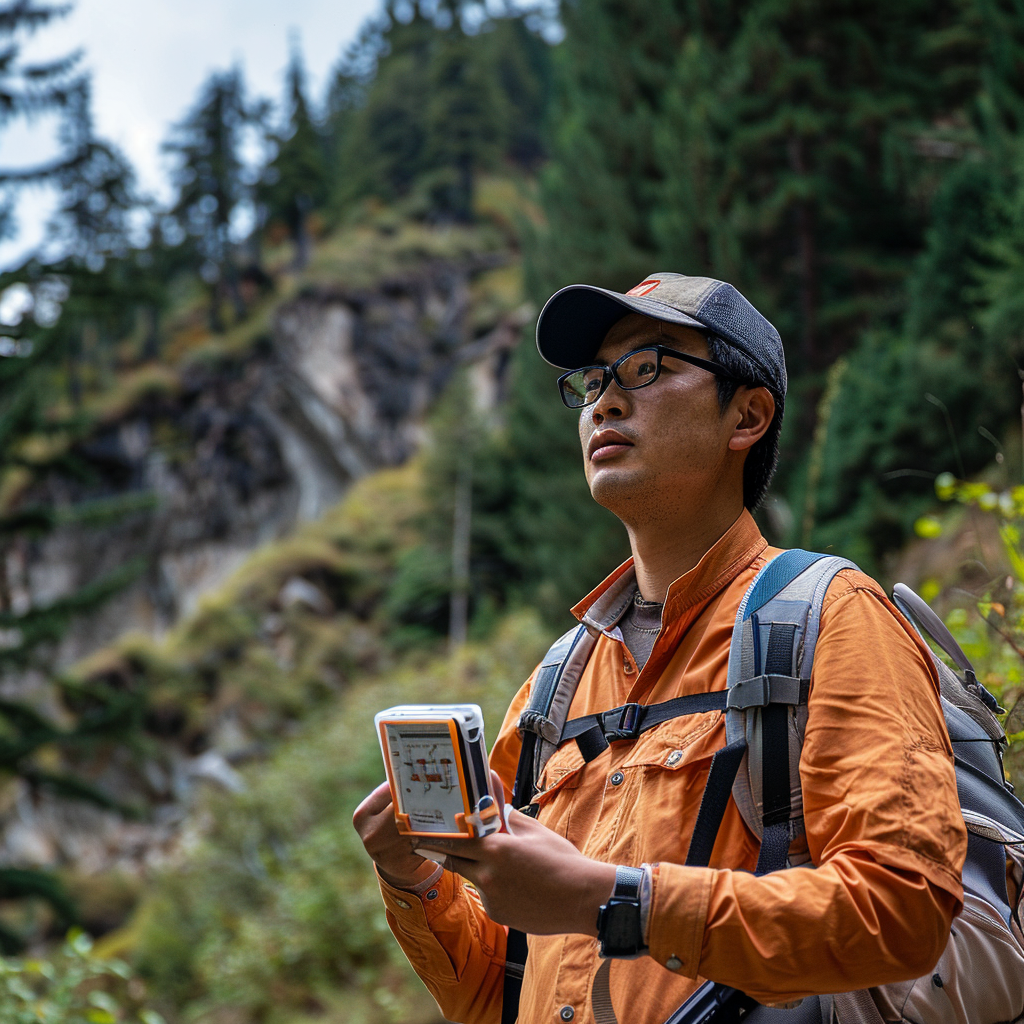
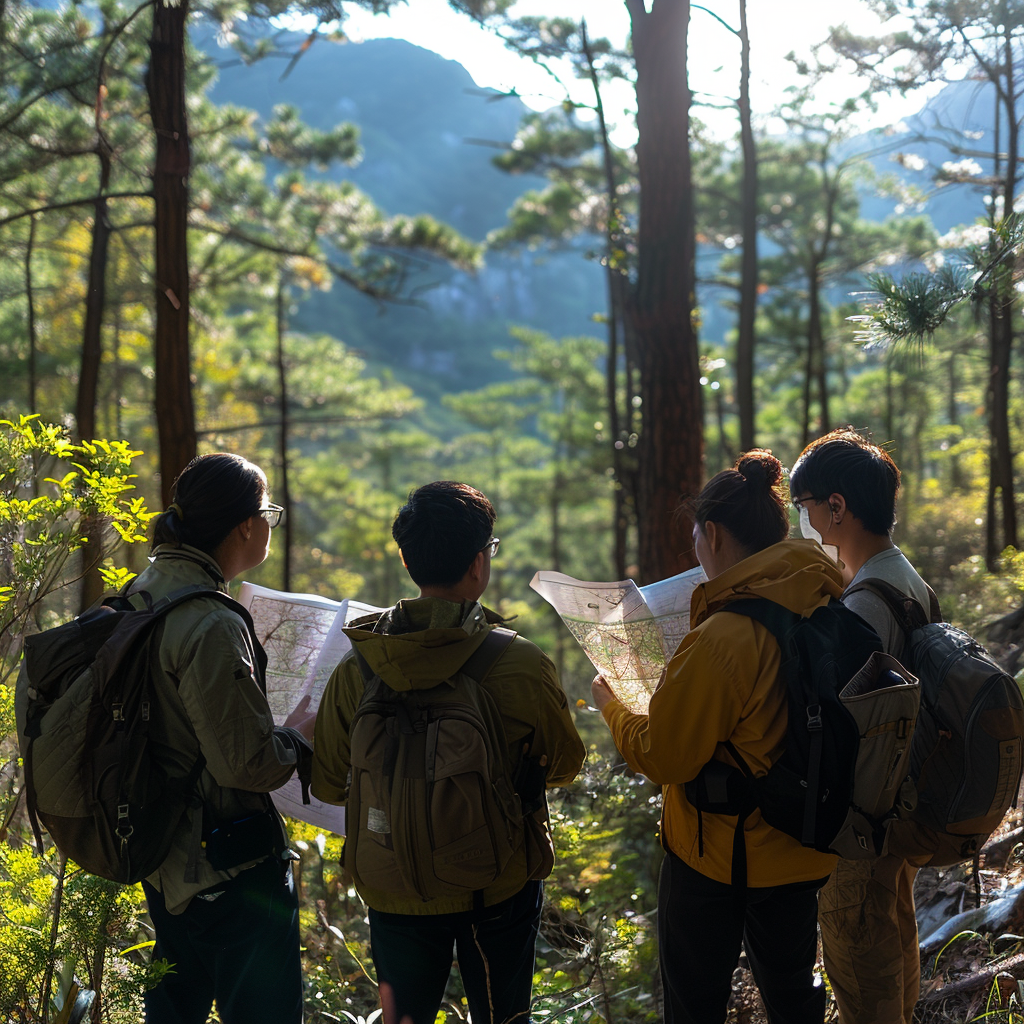
根据《森林资源资产评估技术规范(试行)》的规定,森林资源资产评估的法定程序由评估立项、评估委托、资产核查、资料搜集、评定估算、提交评估报告书、验证确认、建立项目档案八个阶段组成。其中,资源核查是至关重要的环节——被委托方受理委托后,应对委托人提交的森林资源清单进行现场核查,核查结果符合要求方可进行评定估算。
According to the Technical Specifications for Forest Resource Asset Evaluation (Trial), the legal procedures for forest resource asset evaluation consist of eight stages: evaluation project initiation, evaluation commission, asset verification, data collection, evaluation estimation, submission of evaluation report, verification and confirmation, and establishment of project archives. Among them, resource verification is a crucial step - after the entrusted party accepts the commission, they should conduct on-site verification of the forest resource list submitted by the client. Only when the verification results meet the requirements can evaluation and estimation be carried out.
在资料搜集方面,评估人员需要采集林地出租、作价出资入股及流转价格,林木作价出资入股、林木和经济林产品产量及销售价格,营造林成本、伐区设计费、木材采运成本、经济林产品采摘运输成本、销售税费、林业生产投资收益率、木材生产利润率等信息。此外,各立地类型区各树种生长率和出材率、材积表、生长过程表、林分生长模型、收获预测表等林业数据也是评估的重要基础资料。对于采集到的价格信息过程数据,需要分类进行数据整理分析,采用“三倍标准差”剔除异常值数据。
In terms of data collection, evaluators need to collect information on forest land rental, valuation and investment, and transfer prices, forest tree valuation and investment, forest and economic forest product production and sales prices, afforestation costs, felling area design fees, timber harvesting and transportation costs, economic forest product harvesting and transportation costs, sales taxes and fees, forestry production investment return rate, timber production profit rate, etc. In addition, forestry data such as growth rate and yield of various tree species in different site types, volume table, growth process table, stand growth model, and harvest prediction table are also important basic information for evaluation. For the collected price information process data, it is necessary to classify and organize the data for analysis, using "three times the standard deviation" to remove outlier data.