发布:2025-12-19 浏览:0
森林资源资产评估:景观树木资产价值评估的多学科挑战与精准实践
Forest Resource Asset Evaluation: Multidisciplinary Challenges and Accurate Practice in Landscape Tree Asset Value Evaluation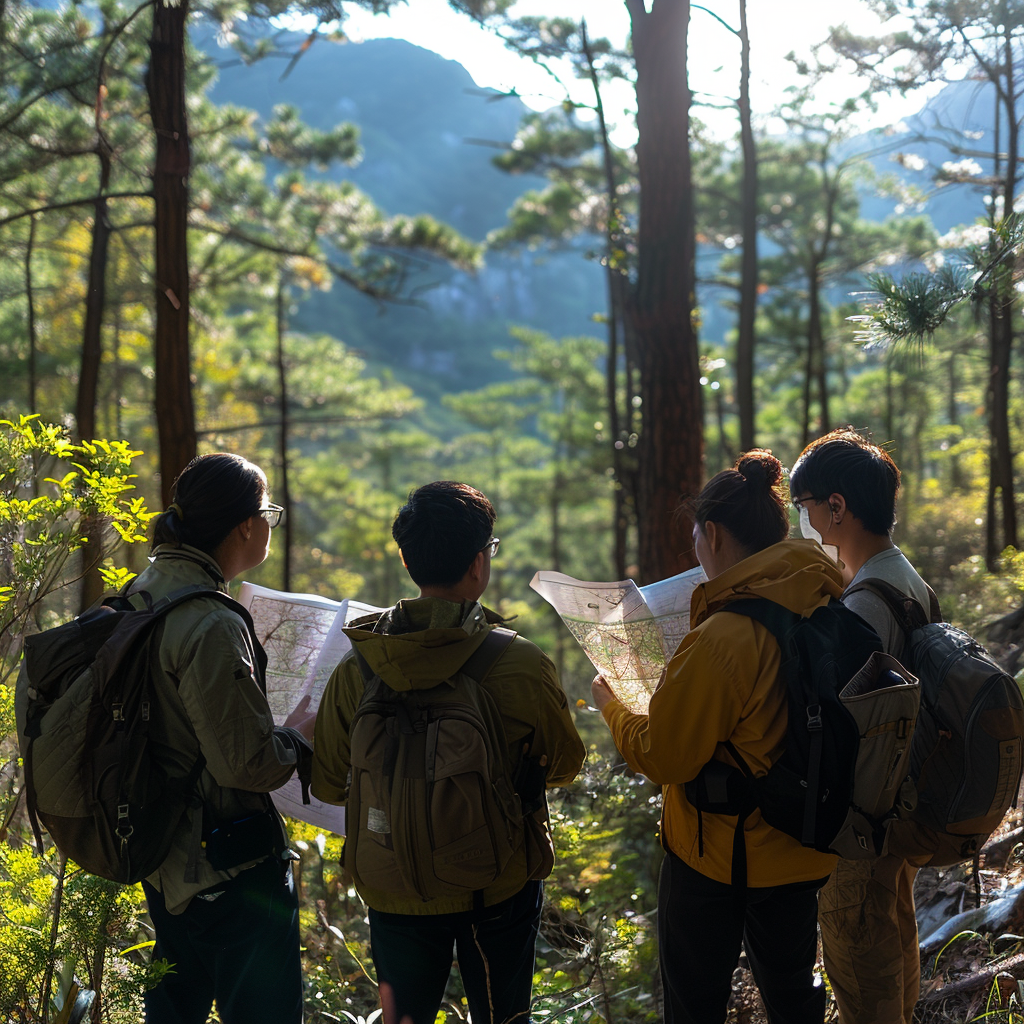
景观树木资产作为森林资源资产的特殊分支,其价值评估绝非单一领域的简单测算——它横跨林业、资产评估、工程技术、法律等多个学科,还需兼顾树木的生命属性与市场规律。随着城市扩张、土地征用等场景增多,景观树木搬迁、补偿等评估需求日益凸显,如何在复杂条件下做到快捷、准确、公正,成为评估师面临的核心课题,也考验着评估过程中多学科知识的融合应用。
As a special branch of forest resource assets, the value assessment of landscape tree assets is not a simple calculation in a single field - it spans multiple disciplines such as forestry, asset assessment, engineering technology, and law, and also needs to take into account the life attributes of trees and market laws. With the increasing number of scenarios such as urban expansion and land acquisition, the demand for landscape tree relocation, compensation, and other evaluations has become increasingly prominent. How to achieve fast, accurate, and fair evaluation under complex conditions has become the core issue faced by evaluators, and also tests the integration and application of multidisciplinary knowledge in the evaluation process.
景观树木资产的特殊性首先体现在其“有生命的资产”属性,且分类维度复杂,这决定了评估的基础必须建立在对树木类型的精准界定上。它分为消耗性、生产性与公益性三类:消耗性景观树木资产以出售为目的,如生长中的绿化苗木;生产性景观树木资产侧重长期收益,如能持续产出景观价值的造型树;公益性景观树木资产则以生态防护为核心,如道路旁的防风固沙林。不同类型的树木,评估侧重点截然不同——消耗性苗木可能更关注培育成本,生产性造型树需考量未来景观收益,公益性树木则要兼顾生态价值,这种分类差异本身就要求评估师具备林业学科的基础认知,避免因类型误判导致评估偏差。
The particularity of landscape tree assets is first reflected in their "living asset" attribute, and the complex classification dimensions determine that the basis of evaluation must be based on precise definition of tree types. It is divided into three categories: consumptive, productive, and public welfare: consumptive landscape tree assets for sale, such as growing green seedlings; Productive landscape tree assets focus on long-term returns, such as shape trees that can sustainably produce landscape value; Public welfare landscape tree assets are centered around ecological protection, such as windbreak and sand fixation forests along roads. Different types of trees have vastly different evaluation focuses - consumable seedlings may be more concerned with cultivation costs, production-oriented trees need to consider future landscape benefits, and public welfare trees need to take into account ecological value. This classification difference itself requires evaluators to have a basic understanding of forestry disciplines to avoid evaluation bias caused by misjudgment of types.
多学科融合是景观树木资产评估的核心要求,单一领域知识无法覆盖全部需求。从林业角度,评估师需掌握树木生长规律,能精准测量胸径、树高、冠幅等关键参数,判断树龄、树形、健康状况,甚至识别稀有品种(如对节白蜡、紫檀、银杏等)的独特价值;从资产评估角度,需熟练运用市场法、成本法等方法,结合当地花木市场价格、工程造价标准(如某市园林绿化工程定额)调整参数,比如用市场法时需修正交易日期、区域差异,确保估值贴合实际;从工程技术角度,若涉及树木搬迁,还需测算挖取、运输、栽种、后期维护等费用,考虑胸径大小、运输距离对费率的影响(如胸径50厘米以上大树的移栽费率需高于小苗),这要求评估师理解园林绿化工程的作业流程;从法律角度,需核查林权证明、承包合同等文件,明晰产权归属,避免因权属争议导致评估结果无效——多学科知识的串联,是评估准确性的基础。
Multidisciplinary integration is the core requirement for landscape tree asset evaluation, and single domain knowledge cannot cover all needs. From a forestry perspective, assessors need to master the growth patterns of trees, accurately measure key parameters such as breast height diameter, tree height, crown width, etc., judge tree age, tree shape, health status, and even identify the unique value of rare varieties (such as white wax, rosewood, ginkgo, etc.); From the perspective of asset valuation, it is necessary to proficiently use market methods, cost methods, and other methods, and adjust parameters based on local flower and tree market prices and engineering cost standards (such as a certain city's landscaping project quota). For example, when using market methods, it is necessary to correct transaction dates and regional differences to ensure that the valuation is in line with reality; From an engineering and technical perspective, if tree relocation is involved, it is necessary to calculate the costs of excavation, transportation, planting, and later maintenance, taking into account the impact of breast height diameter and transportation distance on the rate (such as the transplanting rate for large trees with a breast height diameter of 50 centimeters or more being higher than that for small seedlings). This requires the appraiser to understand the operational process of landscaping projects; From a legal perspective, it is necessary to verify documents such as forest ownership certificates and contract agreements, clarify property ownership, and avoid invalid evaluation results due to ownership disputes - the integration of multidisciplinary knowledge is the foundation of evaluation accuracy.
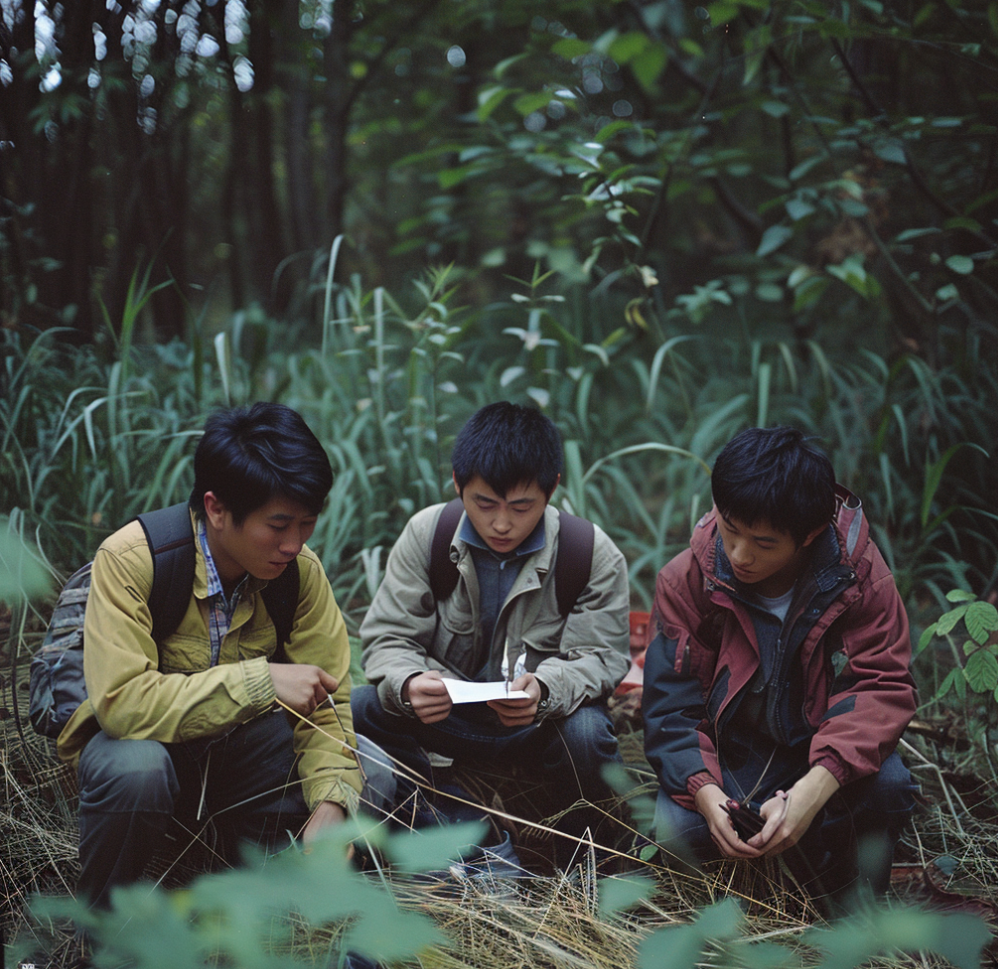
评估师要实现“快捷准确公正”,需依托严谨的流程设计与科学的方法选择。在前期调查阶段,需组建包含评估师、林业工程师的专业团队,提前准备测高器、直径圈尺、无人机等工具,制定涵盖调查范围、技术方法、质量控制的方案;实地勘察时,不仅要逐株测量树木参数、拍照记录,还要收集当地自然条件、林业政策、市场价格等数据(如参考某省绿化委员会发布的《花木盆景》价格信息、中华绿化网行情),确保数据来源可靠。评估方法的选择需贴合评估目的:若为搬迁补偿,会优先用市场法确定树木本身价值,再结合定额标准测算搬迁费用(如取苗费、运杂费、机械费等,费率需根据树木规格调整,如胸径5公分以上树苗的挖掘栽种费率约5%-9%);若为出售评估,则可能侧重市场法与收益法的结合,预测未来景观价值变现潜力。同时,评估过程中还会通过多种方法验证结果,比如用工程造价定额计算搬迁费用,与费率测算结果比对,确保误差不超过6%,既保证效率,又避免疏漏。
Evaluators need to rely on rigorous process design and scientific method selection to achieve "fast, accurate, and fair" evaluation. In the early stage of investigation, it is necessary to form a professional team including assessors and forestry engineers, prepare height gauges, diameter calipers, drones and other tools in advance, and develop a plan covering the scope of investigation, technical methods, and quality control; When conducting field surveys, it is not only necessary to measure the parameters of each tree and take photos to record them, but also to collect data on local natural conditions, forestry policies, market prices, etc. (such as referring to the price information of "Flower and Bonsai" published by a certain provincial greening committee and the market situation of China Greening Network), to ensure the reliability of the data source. The selection of evaluation methods should be in line with the evaluation purpose: if it is relocation compensation, the market method will be prioritized to determine the value of the trees themselves, and then the relocation costs will be calculated based on the quota standards (such as seedling fees, transportation and miscellaneous fees, machinery fees, etc., the rates need to be adjusted according to the specifications of the trees, such as the excavation and planting rate of saplings with a breast height diameter of 5 cm or more, which is about 5% -9%); If it is for sale evaluation, it may focus on the combination of market approach and income approach to predict the future potential for landscape value realization. At the same time, various methods will be used to verify the results during the evaluation process, such as calculating relocation costs using engineering cost quotas and comparing them with rate calculation results to ensure that the error does not exceed 6%, which not only ensures efficiency but also avoids omissions.
给评估需求者的实用建议
Practical advice for evaluating demanders
若需进行景观树木资产评估,建议优先选择具备森林资源资产评估资质、团队包含多学科背景人员的机构——这类机构能更好应对多学科挑战,避免因单一知识短板导致评估偏差。评估前可提前整理树木清单(品种、规格、种植年限)、产权证明、评估目的(如搬迁补偿、出售)等资料,协助评估团队快速明确评估方向;过程中可关注评估师是否实地测量关键参数、是否参考当地权威市场数据,确保评估依据的真实性。若涉及搬迁补偿,还可主动沟通树木移栽的实际难度(如大树移栽的土球处理、后期养护需求),帮助评估师更精准测算相关费用,让评估结果既符合规范,又贴近实际需求。
If landscape tree asset assessment is required, it is recommended to prioritize institutions with forest resource asset assessment qualifications and teams that include personnel with multidisciplinary backgrounds - such institutions can better cope with multidisciplinary challenges and avoid assessment bias caused by a single knowledge gap. Before the evaluation, it is possible to prepare a list of trees (varieties, specifications, planting years), property certificates, evaluation purposes (such as relocation compensation, sales) and other materials in advance to assist the evaluation team in quickly clarifying the evaluation direction; During the process, attention can be paid to whether the evaluator has measured key parameters on site and referred to local authoritative market data to ensure the authenticity of the evaluation basis. If relocation compensation is involved, it is also possible to proactively communicate the actual difficulty of tree transplantation (such as soil ball treatment for large tree transplantation and later maintenance needs), to help assessors more accurately calculate the relevant costs, so that the evaluation results are both in line with regulations and close to actual needs.
如果对景观树木资产评估的学科融合细节、具体流程有疑问,欢迎随时留言咨询,获取更针对性的解读,让评估过程更透明、结果更可靠。
If you have any questions about the disciplinary integration details and specific processes of landscape tree asset evaluation, please feel free to leave a message for consultation at any time to obtain more targeted interpretations, making the evaluation process more transparent and the results more reliable.
本文由 森林资源资产评估 友情奉献.更多有关的知识请点击 http://www.jyslpg.com/ 真诚的态度.为您提供为全面的服务.更多有关的知识我们将会陆续向大家奉献.敬请期待.
This article is contributed by the Friendship Contribution of Forest Resource Asset Evaluation For more related knowledge, please click http://www.jyslpg.com/ Sincere attitude To provide you with comprehensive services We will gradually contribute more relevant knowledge to everyone Coming soon.