发布:2025-12-20 浏览:0
林业资产价格评估:为何说“水很深”?500亩林地溢价15%成交的真相
Valuation of Forestry Assets: Why is it said 'water is deep'? The truth behind the 15% premium transaction for 500 acres of forest land
江西南昌茶农王先生的500亩“烂树林”,曾因定价争议无人问津,最终通过专业林业资产价格评估,不仅顺利成交还实现15%溢价——这个案例让很多人惊呼“林业评估的水居然这么深”。其实所谓的“水深”,并非藏着暗箱操作,而是林业资产的价值评估涉及多重专业维度,需兼顾实地勘察、数据支撑、政策适配等复杂因素,绝非简单按面积定价或凭经验估算就能搞定。
Mr. Wang, a tea farmer from Nanchang, Jiangxi, once had a 500 acre "rotten forest" that went unnoticed due to pricing disputes. However, through professional forestry asset price evaluation, the transaction not only went smoothly but also achieved a 15% premium - this case has amazed many people that "the water of forestry evaluation is so deep". In fact, the so-called "water depth" is not a hidden operation, but the value evaluation of forestry assets involves multiple professional dimensions, which need to take into account complex factors such as field investigation, data support, and policy adaptation. It is not simply a matter of pricing by area or estimating based on experience.
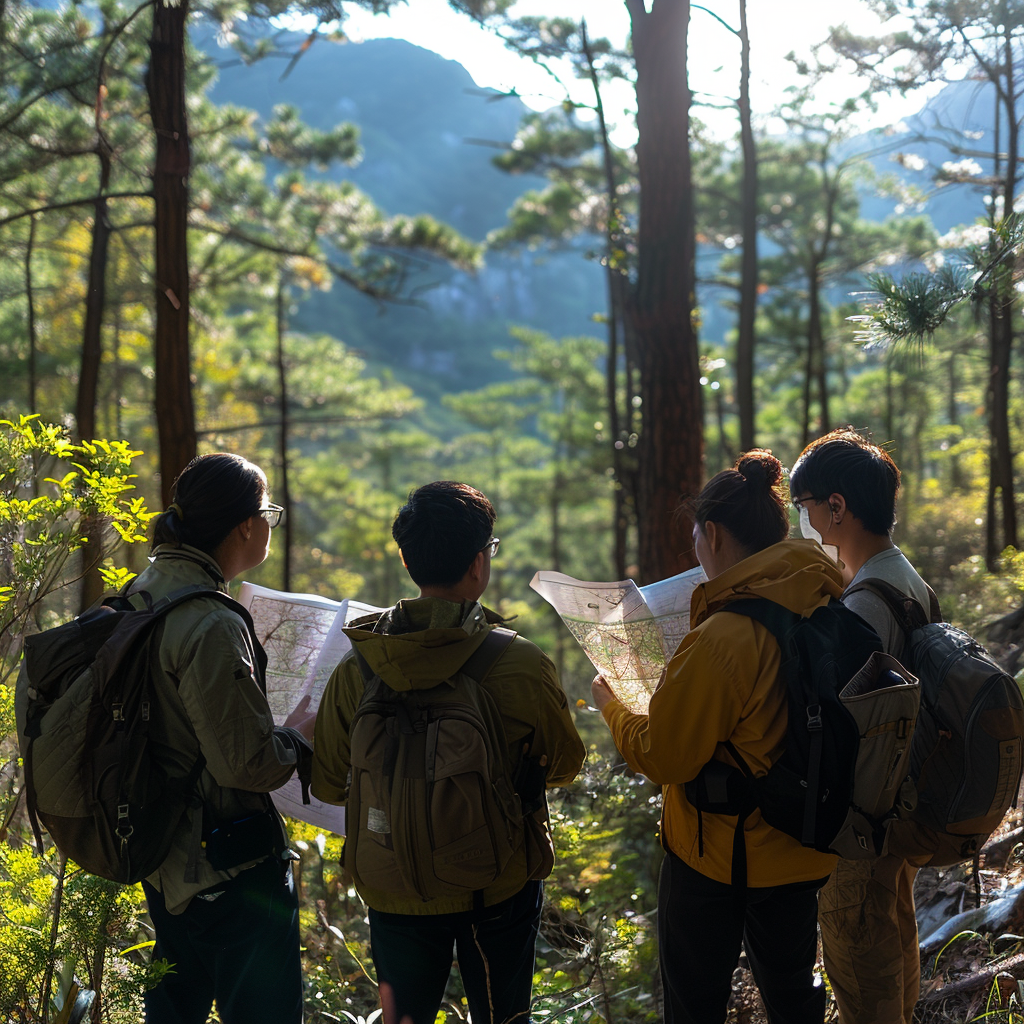
林业资产价格评估的“深”,首先体现在实地勘察的细致性上,绝非“看一眼林地就定价”那么简单。专业评估团队不会被“烂树林”的表面印象误导,而是要深入林地逐一核实核心信息:树种是价值评估的基础,不同树种的市场需求、生长周期、经济产出差异巨大,即便是看似不起眼的树种,也可能因生态价值或潜在用途被低估;树龄、生长状况直接关联木材蓄积量或生态贡献度,长势衰弱的树木可能通过科学管护恢复价值,评估时需预留增值空间;林地的地形、土壤肥力、水源条件等生长环境,会影响树木的生长速度与品质,进而间接影响资产价值。这些细节的精准把控,是普通非专业人士难以企及的,也是专业评估能挖掘隐藏价值的关键。
The "depth" of forestry asset price evaluation is first reflected in the meticulousness of field surveys, and is not as simple as "pricing at a glance at forest land". A professional evaluation team will not be misled by the superficial impression of a "rotten forest", but will go deep into the forest to verify the core information one by one: tree species are the basis of value evaluation, and the market demand, growth cycle, and economic output of different tree species vary greatly. Even seemingly inconspicuous tree species may be underestimated due to their ecological value or potential use; The age and growth status of trees are directly related to their timber accumulation or ecological contribution. Trees with weakened growth may be restored to their value through scientific management, and value-added space should be reserved during evaluation; The terrain, soil fertility, water source conditions, and other growth environments of forest land can affect the growth rate and quality of trees, indirectly affecting asset value. The precise control of these details is difficult for ordinary non professionals to achieve, and it is also the key to professional evaluation to uncover hidden value.
交易数据的深度分析,是林业评估“水深”的另一重体现。评估并非参考近期零散交易价格,而是需要调取周边3年以上的同类林地交易数据,进行系统比对与修正。要排除偶然因素(如紧急转让的低价成交、特殊需求的高价收购)对定价的干扰,提炼出区域林地的真实价值趋势;同时还要考量地理位置的影响——即便面积、树种相同,靠近苗木市场、交通便利的林地,因运输成本低、变现效率高,价值也会高于偏远地区。案例中王先生的林地能实现溢价,正是因为专业团队通过长期交易数据比对,发现了其被低估的区域价值与树种潜力,而非局限于“烂树林”的表面认知。
The in-depth analysis of transaction data is another manifestation of the "water depth" in forestry assessment. The evaluation is not based on recent scattered transaction prices, but requires retrieving similar forest land transaction data from the surrounding area for more than 3 years for system comparison and correction. To eliminate the interference of accidental factors (such as low-priced transactions for emergency transfers and high priced acquisitions for special needs) on pricing, and extract the true value trend of regional forest land; At the same time, the impact of geographical location should also be considered - even if the area and tree species are the same, forests close to the nursery market and with convenient transportation will have higher value than remote areas due to low transportation costs and high monetization efficiency. In the case, Mr. Wang's forest land was able to achieve a premium precisely because the professional team discovered its underestimated regional value and tree species potential through long-term transaction data comparison, rather than being limited to the superficial perception of "rotten forests".
政策因素的深度绑定,尤其是公益林分级补偿的考量,更让林业评估的“水”添了一层复杂度。林业资产中公益林的价值评估,不能只看经济产出,还需纳入生态补偿收益——不同等级的公益林,国家及地方的补偿标准不同,一级公益林的生态保护价值更高,补偿额度也更高,这部分收益需精准核算进总价值。很多林权所有者容易忽视这一点,单纯按用材林的标准估算价值,导致资产被严重低估。专业评估会全面梳理林地的属性(公益林或商品林)、公益林分级情况,结合最新补偿政策,将生态补偿的长期收益折算进评估价值,这也是案例中林地实现溢价的重要原因之一。
The deep binding of policy factors, especially the consideration of grading compensation for public welfare forests, has added a layer of complexity to the "water" of forestry assessment. The value assessment of public welfare forests in forestry assets should not only focus on economic output, but also include ecological compensation income - different levels of public welfare forests have different national and local compensation standards, and the ecological protection value and compensation amount of first level public welfare forests are higher. This part of income needs to be accurately accounted for in the total value. Many forest rights owners tend to overlook this point and simply estimate the value based on the standards of timber forests, resulting in severe undervaluation of assets. Professional evaluation will comprehensively sort out the attributes of forest land (public welfare forest or commercial forest), the classification of public welfare forest, and combine the latest compensation policies to convert the long-term benefits of ecological compensation into the evaluation value. This is also one of the important reasons for the premium of forest land in the case.
林业资产价值维度的多元性,更是让评估“水深”的核心逻辑。林地并非只有“种树卖钱”的经济价值,还包含生态价值(如固碳、涵养水源)、政策价值(如公益林补偿、林业补贴)、潜在开发价值(如生态旅游、碳汇交易)等多重维度。普通评估者往往只关注经济价值,而专业评估会根据林地属性与评估目的,全面挖掘各类价值维度。比如王先生的“烂树林”,可能具备较高的生态修复潜力,或符合当地林业产业升级规划,这些潜在价值通过专业分析被量化,最终转化为成交时的溢价空间。
The diversity of the value dimensions of forestry assets is the core logic for evaluating "water depth". Forest land not only has the economic value of "planting trees and selling them for money", but also includes multiple dimensions such as ecological value (such as carbon sequestration and water conservation), policy value (such as compensation for public welfare forests and forestry subsidies), and potential development value (such as ecotourism and carbon trading). Ordinary evaluators often only focus on economic value, while professional evaluators will comprehensively explore various value dimensions based on forest attributes and evaluation purposes. For example, Mr. Wang's "rotten forest" may have high ecological restoration potential or comply with local forestry industry upgrading plans. These potential values are quantified through professional analysis and ultimately converted into premium space at the time of transaction.
给林权所有者的实用建议
Practical advice for forest tenure owners
若想避免在林业资产评估中“踩坑”,首先要摒弃“按面积定价”“凭经验估价”的误区,认清评估的专业复杂度;其次必须选择具备林业资产评估资质的专业团队,确保评估过程包含实地细致勘察、长期交易数据比对、政策标准适配等核心环节;评估前可提前整理林权证书、林地类型(是否为公益林及分级)、种植记录等基础资料,协助评估团队全面挖掘资产价值;若对评估结果有疑问,可要求团队解释价值测算的依据(如交易数据来源、政策文件引用、价值维度构成),避免被模糊定价。
To avoid pitfalls in forestry asset evaluation, the first step is to abandon the misconceptions of "pricing by area" and "valuation based on experience", and recognize the professional complexity of evaluation; Secondly, it is necessary to select a professional team with forestry asset evaluation qualifications to ensure that the evaluation process includes core steps such as detailed field surveys, long-term transaction data comparisons, and policy standard adaptation; Before evaluation, basic information such as forest ownership certificates, forest land types (whether they are public welfare forests and classified), planting records, etc. can be sorted out in advance to assist the evaluation team in fully exploring the asset value; If there are doubts about the evaluation results, the team can be asked to explain the basis for value estimation (such as transaction data sources, policy document references, and value dimension composition) to avoid being priced vaguely.
林业资产价格评估的“水深”,本质是专业门槛与价值维度的多重叠加。看似简单的林地,其价值背后藏着实地勘察的细节、数据支撑的严谨、政策适配的精准,只有依托专业评估,才能让林权所有者的资产价值得到充分体现,避免因认知偏差导致经济损失。如果对林业资产评估的具体流程、价值构成有进一步疑问,欢迎随时留言咨询,获取专业解读。
The "depth" of forestry asset price evaluation is essentially the multiple superposition of professional thresholds and value dimensions. Seemingly simple forest land, its value is hidden behind the details of field investigation, rigorous data support, and precise policy adaptation. Only by relying on professional evaluation can the asset value of forest rights owners be fully reflected, avoiding economic losses caused by cognitive biases. If you have further questions about the specific process and value composition of forestry asset evaluation, please feel free to leave a message for consultation and professional interpretation.
本文由 林业资产价格评估 友情奉献.更多有关的知识请点击 http://www.jyslpg.com/ 真诚的态度.为您提供为全面的服务.更多有关的知识我们将会陆续向大家奉献.敬请期待.
This article is dedicated to the evaluation of forestry asset prices For more related knowledge, please click http://www.jyslpg.com/ Sincere attitude To provide you with comprehensive services We will gradually contribute more relevant knowledge to everyone Coming soon.