
发布:2026-09-09 浏览:0
林木资产价格评估并非“一法包打天下”。根据林木的生长阶段和经营目的,评估专业人员需要选择差异化的技术路径。目前行业公认的三大核心方法——重置成本法、收获现值法、市场价倒算法——各有其适用场景和计算逻辑。
The valuation of forest asset prices is not a one size fits all approach. Based on the growth stage and management objectives of the trees, evaluation professionals need to choose differentiated technical paths. The three core methods currently recognized in the industry - reset cost method, present value of harvest method, and market price inversion algorithm - each have their own applicable scenarios and calculation logic.
重置成本法适用于未成林造林地、幼龄林及年龄小于10年的中龄林。其技术思路是:按现在的技术标准和工价、物价水平,重新营造一片与被评估资产同样的林分所需的资金成本和资金投资收益(利息)之和,再乘以调整系数,即为林木资产评估值。该方法的核心逻辑是“替代原则”——一个理性的投资者不会为一片林子支付高于重新造一片的成本。但这一方法在实操中面临一个难题:若所有龄组都采用固定投资收益率(如同一林场所有树种均采用4%),幼龄林因培育年限短而评估值偏高,成熟林因复利效应而评估值偏低,出现“年龄越大价值越低”的价值倒挂现象。
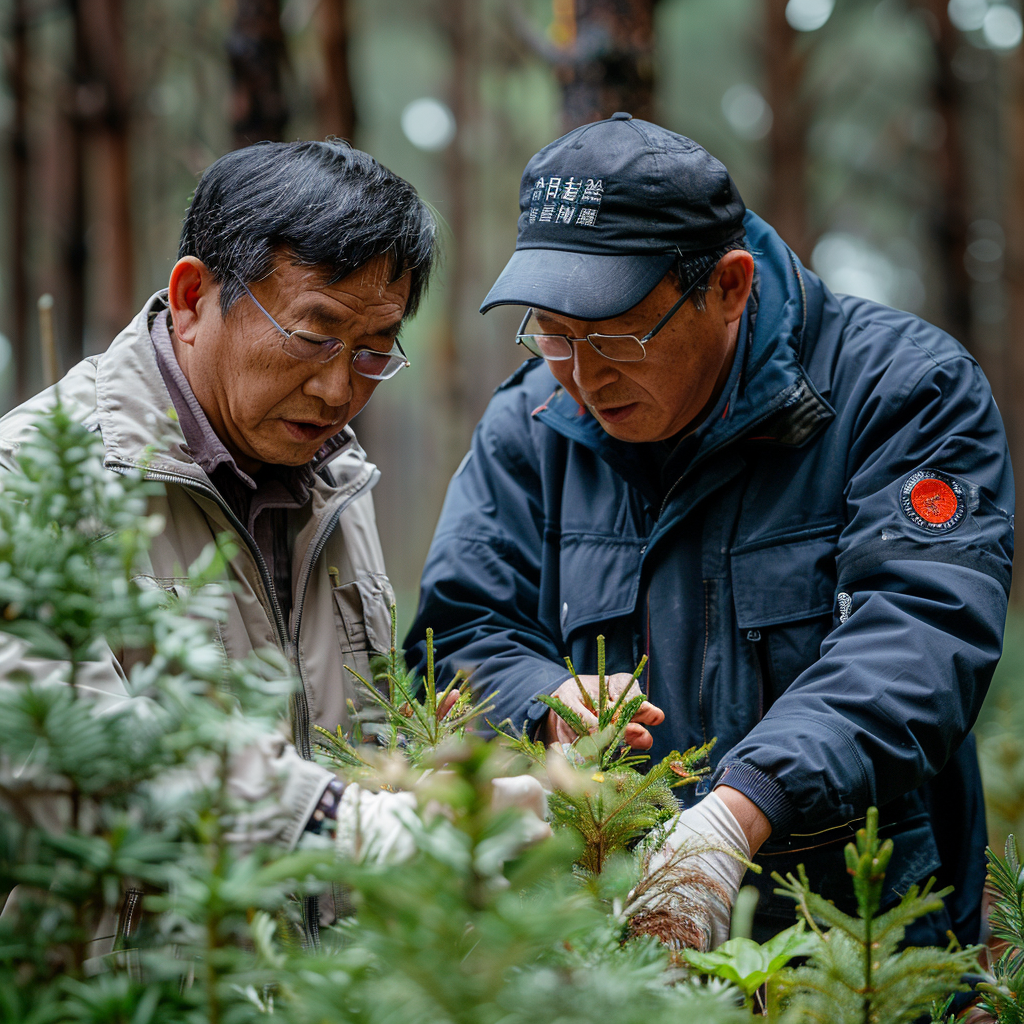
The reset cost method is applicable to forests that have not been fully developed, young forests, and middle-aged forests under 10 years old. The technical idea is to create a forest stand that is identical to the evaluated asset based on current technical standards, labor prices, and price levels. The sum of the capital cost and investment income (interest) required to rebuild the forest stand is then multiplied by an adjustment coefficient to obtain the evaluated value of the forest asset. The core logic of this method is the "substitution principle" - a rational investor will not pay a higher cost than rebuilding a forest. However, this method faces a challenge in practice: if a fixed investment rate of return is used for all age groups (such as using 4% for all tree species in the same forest farm), the evaluation value of young forests will be higher due to the short cultivation period, while the evaluation value of mature forests will be lower due to the compound interest effect, resulting in a phenomenon of "lower value as age increases" in value inversion.
收获现值法适用于中龄林和近熟林。其技术思路是:预测林分主伐时所得纯收入(已扣除木材生产成本、税费及合理经营利润),将其折为现值,再扣除从现在到主伐之间的年管护费用现值合计,剩余值即为林木资产评估值。该方法的公式涉及主伐纯收入、投资收益率的复利折现、管护费用年金化等多个变量,对数据质量要求较高。市场价倒算法则适用于成过熟林,其技术思路非常为直接:将林分主伐时的木材销售总收入,扣除木材生产经营成本、税费、木材生产段合理利润及林地使用费后,剩余值即为评估值。
The present value of harvest method is applicable to middle-aged forests and near mature forests. The technical idea is to predict the net income obtained during the main cutting of the forest stand (after deducting wood production costs, taxes, and reasonable operating profits), convert it into present value, and then deduct the total present value of annual management and maintenance costs from now until the main cutting. The remaining value is the assessed value of forest assets. The formula of this method involves multiple variables such as net income from logging, compound interest discount of investment return rate, and annuity of management and maintenance expenses, which require high data quality. The reverse calculation method of market price is applicable to mature forests, and its technical idea is the most direct: the total sales revenue of timber during the main cutting of the forest stand is deducted from the production and operation costs, taxes, reasonable profits of the timber production stage, and forest land use fees, and the remaining value is the evaluation value.
近年来,行业对收益率参数有了更科学的探索。中企华资产评估公司联合福建农林大学申报的《森林资源可变投资收益率估价技术及应用》案例提出:不同树种因生长周期和经济效益差异巨大,应采用可变投资收益率替代固定收益率。研究表明,杉木人工林、桉树人工林的非常佳收益率分别约为7.5%和7.9%,而天然阔叶林因生长缓慢,收益率约为5.3%。这一方法有效解决了龄组间价值倒挂问题,已获中国资产评估协会优秀案例认定。
In recent years, the industry has made more scientific explorations of yield parameters. The case study of "Valuation Technology and Application of Variable Investment Rate of Return on Forest Resources" jointly submitted by Zhongqihua Asset Appraisal Company and Fujian Agriculture and Forestry University proposes that different tree species should use variable investment rate of return instead of fixed rate of return due to significant differences in growth cycle and economic benefits. Research has shown that the optimal yield rates for Chinese fir plantations and eucalyptus plantations are about 7.5% and 7.9%, respectively, while natural broad-leaved forests have a yield rate of about 5.3% due to slow growth. This method effectively solves the problem of value inversion between age groups and has been recognized as an excellent case by the China Asset Appraisal Association.
本文章是由林木资产价格评估为您提供分享,更多的精彩内容请点击我们的网站:http://www.jyslpg.com,我们会有更多精彩内容等您查看。
This article is provided by Forest Asset Price Evaluation to share with you. For more exciting content, please click on our website: http://www.jyslpg.com We will have more exciting content waiting for you to view.