
发布:2026-09-05 浏览:0
林木资产评估拥有成熟且标准化的测算体系,行业主流包含市场法、收益法、成本法三大核心评估方法,辅以剩余法适配特殊林业场景。四种方法适配的林木类型、生长阶段、交易场景各不相同,科学匹配评估方法,是保障估值合理、顺利通过审核备案的关键,也是林业资产评估工作的核心实操要点。
Forest tree asset evaluation has a mature and standardized calculation system. The mainstream industry includes three core evaluation methods: market approach, income approach and cost approach, supplemented by the residual method for special forestry scenarios. The four methods adapt to different forest types, growth stages and transaction scenarios. Scientific selection of evaluation methods is the key to ensuring accurate valuation and smooth filing approval, and also the core operational point of forestry asset evaluation.
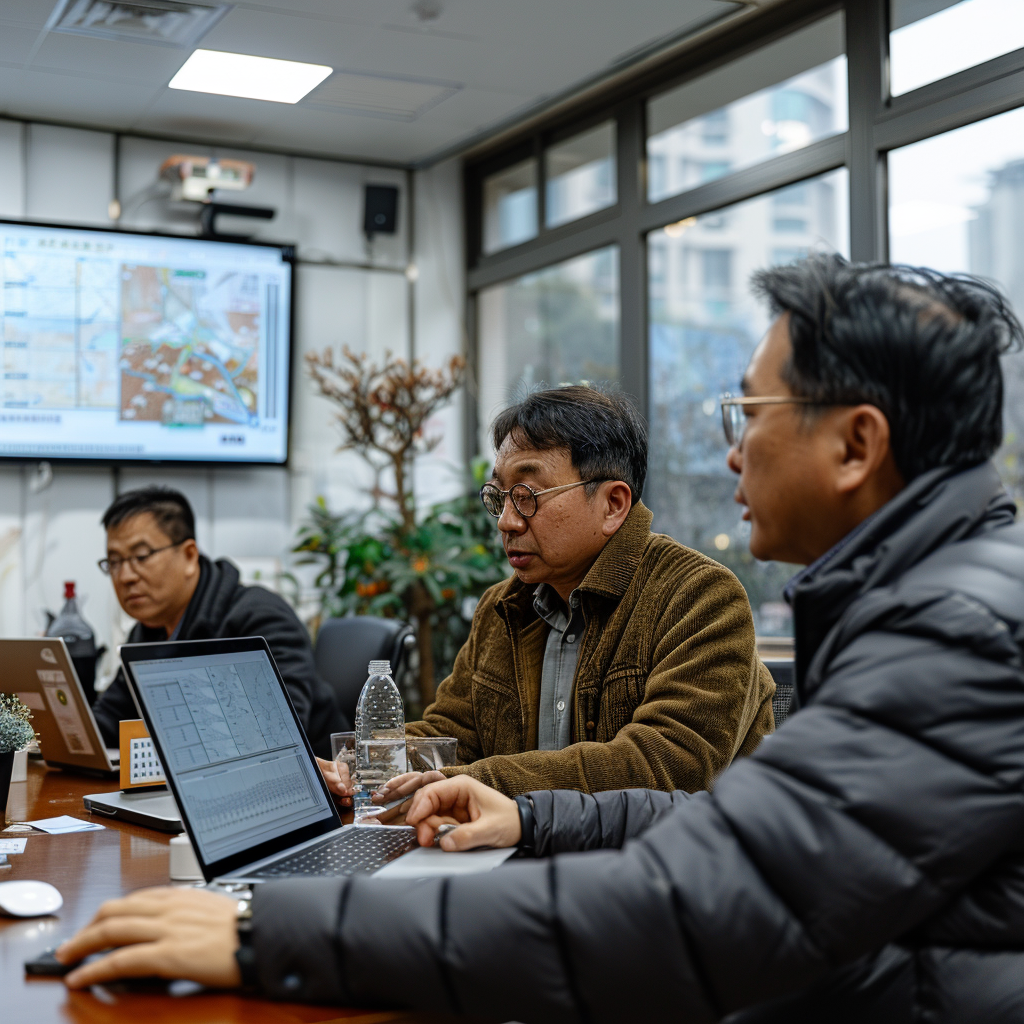
市场法是市场化交易中非常常用的评估方式,适用于成材林、成熟商品林等流通性强的林木资产。该方法以同期同类、相近区域的林权交易案例为参照,结合林分质量、物价指数、区位差异等调整系数修正估值,数据直观、认可度高、贴合市场真实行情,广泛应用于林权转让、二手交易、资产挂牌等场景。
The market approach is the most commonly used evaluation method in market-oriented transactions, suitable for highly liquid forest assets such as mature timber forests and commercial forests. Taking forest right transaction cases of the same period, similar types and adjacent areas as references, it corrects the valuation by adjusting coefficients such as stand quality, price index and location differences. With intuitive data, high recognition and close fit with real market conditions, it is widely used in forest right transfer, second-hand transactions and asset listing.
收益法聚焦资产未来收益能力,多用于中幼林、经济林、特色林果林等长期经营性林木资产。通过测算林木未来经营周期内的年度净收益,结合折现率折算为现值累计求和,合理体现林木长期增值价值,适配林业抵押贷款、股权评估、长期投资核算等注重未来收益的场景,是资本化估值的核心手段。
The income approach focuses on the future income capacity of assets, mostly applied to long-term operational forest assets such as young and middle-aged forests, economic forests and characteristic fruit forests. It calculates the annual net income of forest trees in the future operation cycle and converts it into present value through discount rate accumulation, accurately reflecting the long-term appreciation value of forests. It is suitable for scenarios focusing on future income such as forestry mortgage loans, equity evaluation and long-term investment accounting, serving as the core method of capitalized valuation.
成本法与剩余法适配小众特殊场景。成本法主要针对人工新造林、未成林苗木资产,以造林投入、抚育成本、管理费用为核心测算依据,适合生长周期短、尚未产生收益的幼林估值;剩余法多用于林地综合开发、林下经济项目评估,扣除开发成本与合理利润后核算林木资产净值,适配复合林业项目估值需求。
The cost approach and residual method adapt to niche and special scenarios. The cost approach is mainly applied to newly planted artificial forests and immature seedling assets, calculating based on afforestation investment, tending costs and management expenses, suitable for valuing young forests with short growth cycles and no income. The residual method is mostly used for comprehensive forest land development and under-forest economic project evaluation. It calculates the net value of forest assets by deducting development costs and reasonable profits, meeting the valuation needs of composite forestry projects.
在实际评估工作中,需结合林木生长状态、资产用途、交易属性交叉验证、组合选用评估方法,杜绝单一方法的估值偏差,保障林木资产评估结果严谨合规、合理有效,多维度满足林业资产交易、融资、审计与生态核算的各类需求。
In actual evaluation work, evaluation methods should be selected and verified crosswise according to forest growth status, asset purposes and transaction attributes to avoid valuation deviation of a single method, ensuring rigorous, compliant, accurate and effective forest tree asset evaluation results, and fully meeting various needs of forestry asset transactions, financing, auditing and ecological accounting.