发布:2026-08-21 浏览:0
森林资源评估是对森林的数量和质量进行评估,以了解森林的状况和潜力。评估森林资源需要使用各种指标来衡量和分析不同方面的数据。以下是常用的森林资源评估指标:
Forest resource assessment is the evaluation of the quantity and quality of forests to understand their condition and potential. Evaluating forest resources requires the use of various indicators to measure and analyze data from different aspects. The following are commonly used forest resource assessment indicators:
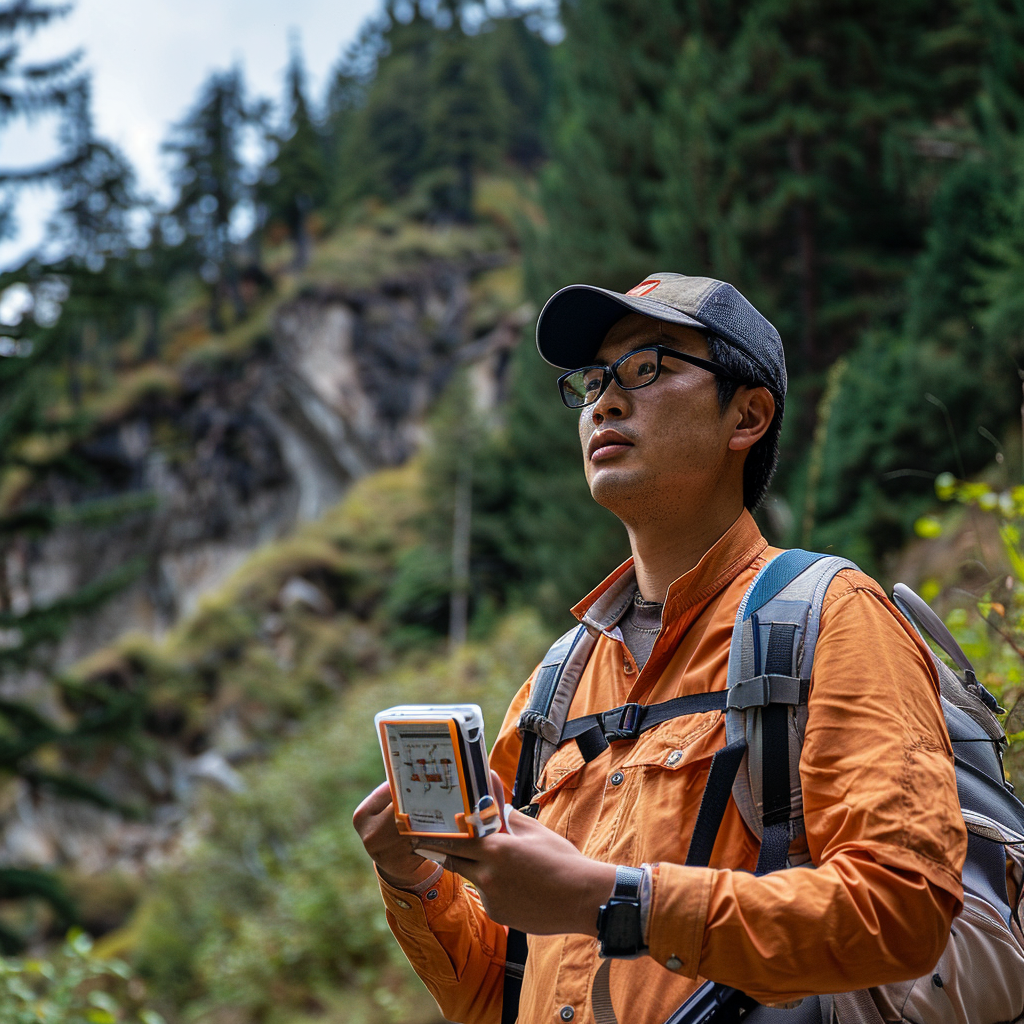
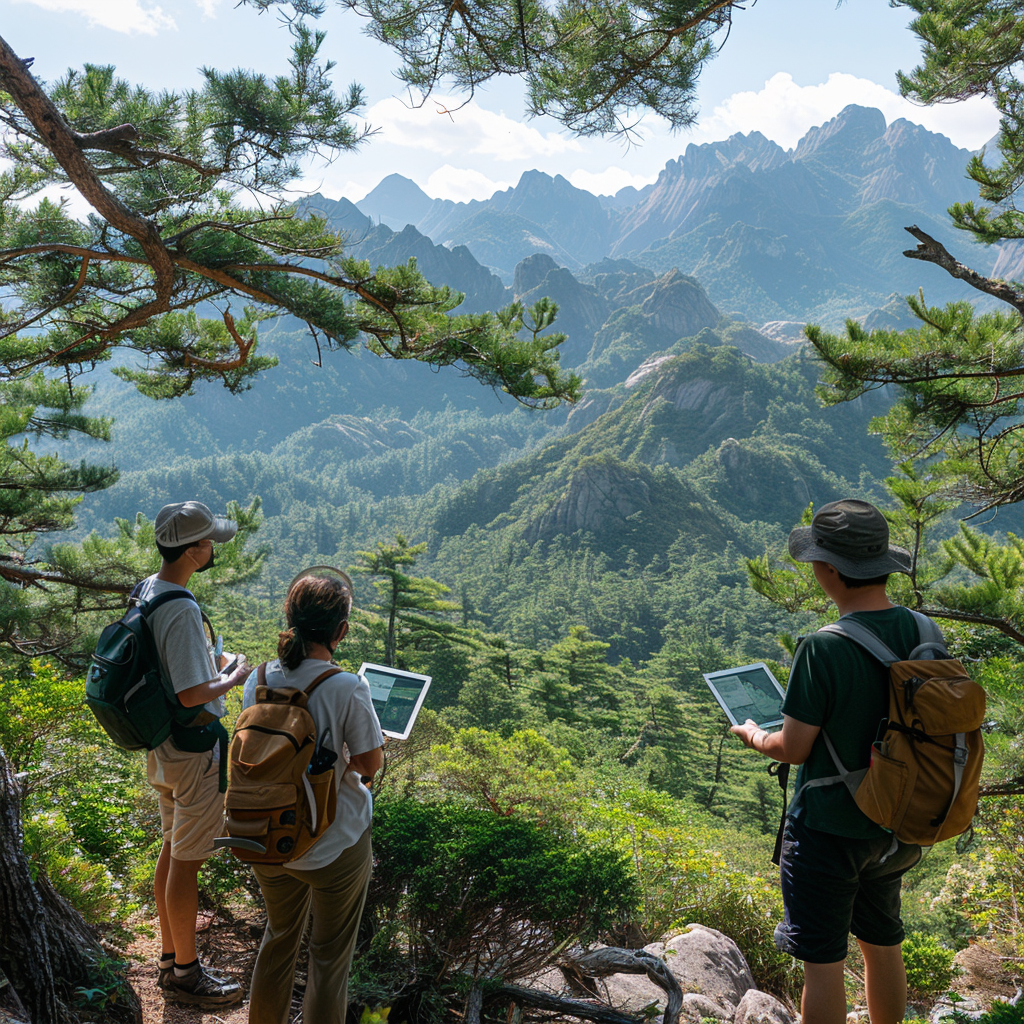
林地面积:评估森林资源首先是确定林地的总面积。通过卫星遥感图像和地面调查等方法,可以确定森林覆盖的面积和分布。
Forest area: Evaluating forest resources first involves determining the total area of forest land. The area and distribution of forest cover can be determined through methods such as satellite remote sensing images and ground surveys.
森林类型:森林可以分为不同的类型,如常绿林、落叶林、针叶林、阔叶林等。了解森林类型可以帮助评估森林的生态功能和可持续性。
Forest types: Forests can be divided into different types, such as evergreen forests, deciduous forests, coniferous forests, broad-leaved forests, etc. Understanding forest types can help evaluate the ecological function and sustainability of forests.
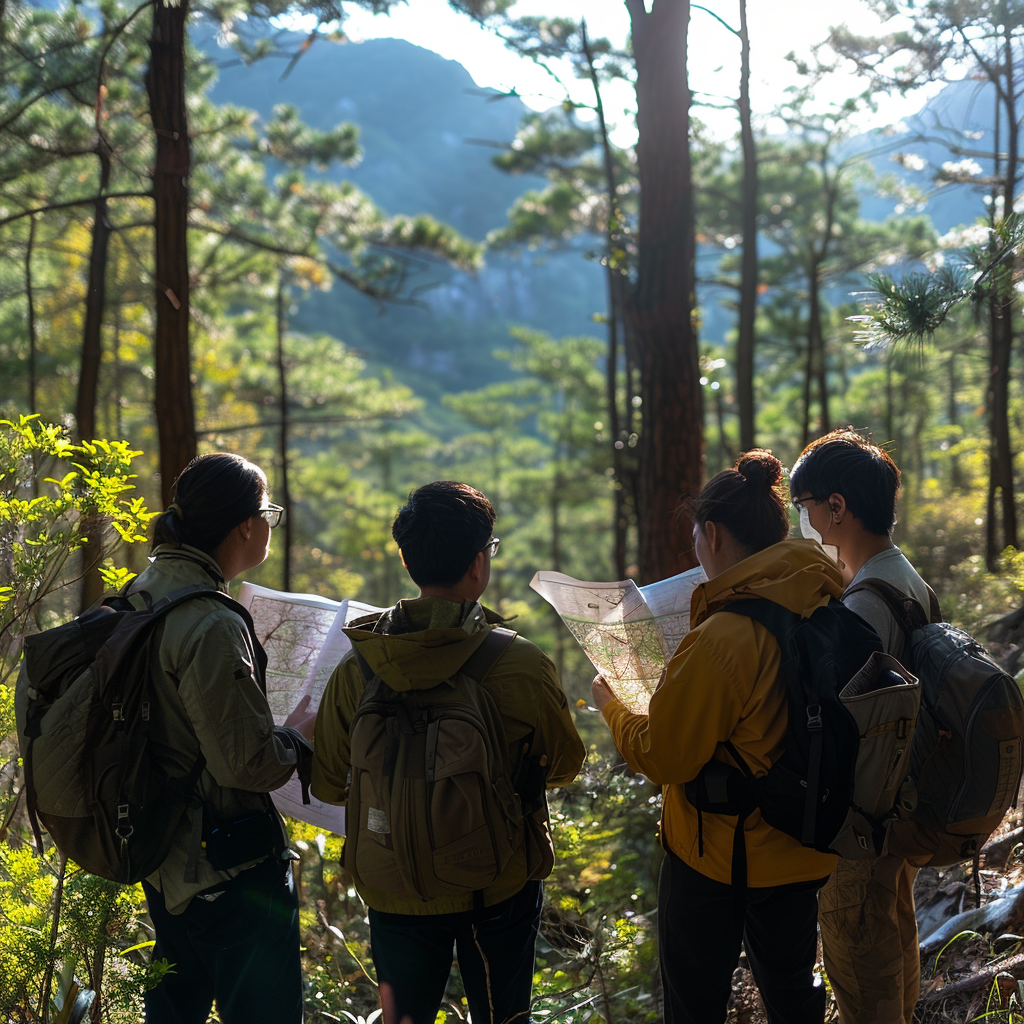
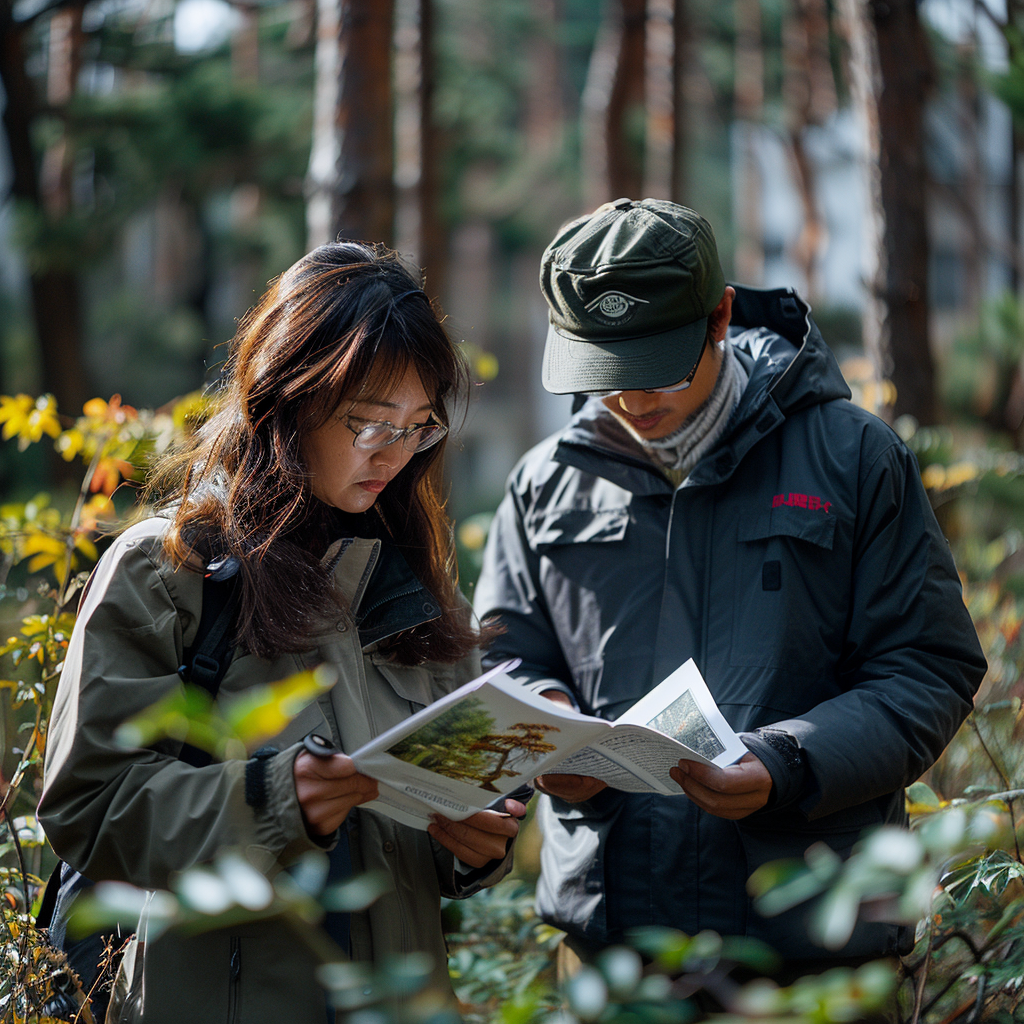
森林密度:森林密度指的是单位面积内树木的数量。通过取样调查和计数,可以确定森林的密度。森林密度的变化可以反映出森林的健康程度和生长状况。
Forest density: Forest density refers to the number of trees per unit area. By conducting sampling surveys and counting, the density of forests can be determined. The change in forest density can reflect the health and growth status of the forest.
森林碳储量:森林是重要的碳储存库,评估森林碳储量可以了解森林在碳循环和气候调节中的作用。通过测量木材和树干的生物量,并结合碳含量数据,可以计算出森林的碳储量。
Forest carbon storage: Forests are important carbon storage reservoirs, and assessing forest carbon storage can help understand the role of forests in carbon cycling and climate regulation. By measuring the biomass of wood and tree trunks, combined with carbon content data, the carbon storage of forests can be calculated.
森林生物多样性:森林是地球上很重要的生物多样性热点之一。评估森林的生物多样性可以了解其中包含的植物和动物物种数量和分布。通过生态调查和物种统计,可以估算森林的生物多样性。
Forest biodiversity: Forests are one of the important biodiversity hotspots on Earth. Evaluating the biodiversity of forests can provide insights into the number and distribution of plant and animal species contained within them. Through ecological surveys and species statistics, the biodiversity of forests can be estimated.
森林资源评估
Forest resource assessment
森林更新率:森林的更新率指的是森林因自然和人为因素而发生变化的速度。通过分析森林面积的变化和树龄结构,可以评估森林的更新率。较高的更新率通常意味着森林资源的可持续利用程度较高。
Forest renewal rate: The renewal rate of a forest refers to the speed at which it undergoes changes due to natural and human factors. By analyzing changes in forest area and tree age structure, the renewal rate of forests can be evaluated. A higher update rate usually means a higher degree of sustainable utilization of forest resources.
森林经济价值:森林具有重要的经济价值,包括木材、药材、果实等。评估森林的经济价值可以帮助决策者更好地管理和保护森林资源。通过市场价格和相关数据,可以计算出森林的经济价值。
Forest economic value: Forests have important economic value, including timber, medicinal herbs, fruits, etc. Evaluating the economic value of forests can help decision-makers better manage and protect forest resources. The economic value of forests can be calculated based on market prices and relevant data.
森林可持续性指数:森林可持续性指数综合考虑了森林生态、经济和社会因素,衡量森林资源的可持续利用程度。通过权衡不同因素的权重,并进行指标计算,可以评估森林的可持续性。
Forest Sustainability Index: The Forest Sustainability Index comprehensively considers forest ecological, economic, and social factors, measuring the degree of sustainable utilization of forest resources. By weighing the weights of different factors and calculating indicators, the sustainability of forests can be evaluated.
本文由林业资产价格评估友情奉献.更多有关的知识请点击:http://www.jyslpg.com真诚的态度.为您提供为多维度的服务.更多有关的知识我们将会陆续向大家奉献.敬请期待.
This article is dedicated to the evaluation of forestry asset prices For more information, please click: http://www.jyslpg.com Sincere attitude To provide you with comprehensive services We will gradually contribute more relevant knowledge to everyone Coming soon.